NMOSD: A full-time job with no pay, no vacation time, and lousy benefits
Still, I’m learning how to adapt to my rare disease
Written by |





What does it take to be a rare disease patient? An immense amount of time and patience. Buckets of both, preferably refillable.
Even when you think things have settled and you’re managing your health well, something pops up. After many years with neuromyelitis optica spectrum disorder (NMOSD), I’ve come to expect the unexpected. I don’t love surprises anymore. I like calendars. I like plans. NMOSD laughs gently, sometimes loudly, at both.
You often hear patients say that managing chronic illness is a full-time job, and it turns out that’s not a metaphor. It’s a job with unpaid overtime, no vacation days, and performance reviews run exclusively by your immune system. Spoiler alert: I’m never getting a raise.
Full time, no pay
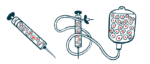
Prescriptions, which I once thought were standard fare, should be the easiest part of being sick. You get a prescription, you get refills, life continues. Adorable, naive past me. Now, refilling a prescription is a multistep relay race involving my pharmacy, my doctor’s office, and me sprinting emotionally between the two. I put in a refill request and am told, cheerfully, that there are no refills left. No problem, the pharmacist will fax the doctor. A fax!
The response is never as fast as I need it, so I reach out to my doctor myself, via email, and get the response I need, even though he’s also busy saving lives.
Then there’s the fun twist where the prescription technically expires next week, even though I’m holding months of refills like poker chips. Or insurance decides they won’t cover the brand name, and my doctor didn’t specify “no generic substitution,” so once again, it’s me, chasing paperwork, like it’s my cardio.
Appointments are their own brand of fun. Scheduling, rescheduling, and preparing for them deserves its own project management certification. Neurology. Ophthalmology. MRI scans. Blood work. Referrals that require referrals. Paperwork that begets more paperwork. Prepping for an appointment can take longer than the appointment itself. I show up armed with notes, timelines, and thoughtful questions, only to spend no more than 10 minutes with the doctor. My time in the waiting room is also usually longer than my appointment. While I’m not complaining, because a short appointment is a good sign, it’s still time-consuming and draining. Ten minutes feels unnecessary when you’ve been collecting symptom data for months.
Physiotherapy is another job within the job. There are appointments to attend, exercises to learn, and then the real responsibility: doing the work at home. It’s me, my resistance bands, and a YouTube-worthy level of determination that would look inspirational if I weren’t so tired. Some days my body complies. Other days, it files a formal complaint and clocks out early.
On not changing a thing about NMOSD
Infection prevention is by far the most unsettling part of living with a rare disease. Being immunocompromised means every cough gets side‑eyed. The minute someone in my home complains they aren’t feeling well, I immediately think, “Oh, great. What fresh hell is this now?”
Recently, my household transformed into a low-budget medical drama after my husband developed shingles, and then, my daughter, despite being vaccinated, caught chickenpox. That meant my husband was quarantined in our home while I disinfected surfaces multiple times a day like I was preparing for a lunar landing. Then it was my daughter’s turn. There has been no physical contact between any of us for weeks, the exception being the dog who rightfully has started to run and hide from all of us, avoiding the smother. I’ve become hyper-aware of door handles, air currents, and my own escalating paranoia. Wash hands. Wipe surfaces. Repeat. Love my family. Repeat.
And yet here’s the uplifting part: If I must have NMOSD, I probably wouldn’t change a thing about all the elements around it. I’ve learned how to adapt. I’m still finding humor in the sheer absurdity of it all. NMOSD has taken plenty from me, but it has also revealed strengths I didn’t know I had. I’ve become organized, persistent, and strangely adept at navigating systems that were never designed with rare disease patients in mind.
Being a rare disease patient is exhausting, yes. But it’s also proof that I can handle hard things. Even on the days when my full-time, unpaid job with terrible benefits feels overwhelming, I remind myself I’m managing. I’m resilient. I’m still living my life. And sometimes, I’m laughing, because, honestly, if I don’t laugh at this job, I might start asking for hazard pay.
Note: Neuromyelitis News is strictly a news and information website about the disease. It does not provide medical advice, diagnosis, or treatment. This content is not intended to be a substitute for professional medical advice, diagnosis, or treatment. Always seek the advice of your physician or other qualified health providers with any questions you may have regarding a medical condition. Never disregard professional medical advice or delay in seeking it because of something you have read on this website. The opinions expressed in this column are not those of Neuromyelitis News or its parent company, Bionews, and are intended to spark discussion about issues pertaining to neuromyelitis optica spectrum disorder.

Leave a comment
Fill in the required fields to post. Your email address will not be published.