
Brain, nerve damage link to relapse, disability in AQP4-related NMOSD
Researchers used MRI techniques to assess patients for more than 8 years
Written by |
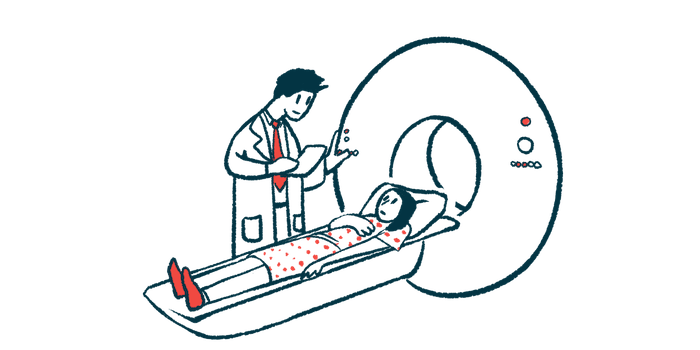




Specific nerve damage and shrinkage in key brain regions are associated with a faster time to relapse and worsening disability among adults with neuromyelitis optica spectrum disorder (NMOSD) who test positive for antibodies against the AQP4 protein, according to a study in Italy.
Researchers used advanced MRI techniques to assess patients for more than eight years. Those who received highly effective therapies also had delayed relapses and less disability.
“The integration of advanced imaging biomarkers into routine clinical practice could enhance risk stratification and therapeutic decision-making, ultimately improving long-term outcomes for NMOSD patients,” researchers wrote.
The study, “Substrates of 8.5-year clinical outcomes in aquaporin-4 IgG-positive neuromyelitis optica spectrum disorders,” was published in the Journal of Neurology.
Most NMOSD patients have antibodies against AQP4 protein
NMOSD is a rare autoimmune disease in which the immune system mistakenly attacks the nervous system, most often the spinal cord and optic nerves, which carry visual signals between the eyes and the brain.
Most NMOSD patients have self-directed antibodies against the AQP4 protein, which are found at nerve-supporting cells and are thought to drive the autoimmune attacks. These attacks can lead to symptoms such as vision problems, nerve pain, weakness, or paralysis in the arms or legs.
Relapses, or attacks — sudden episodes of new or worsening symptoms — are common in NMOSD, and each attack can cause lasting nerve damage and lead to progressive disability worsening.
In this study, researchers in Italy conducted a retrospective analysis to assess relationships among clinical and MRI measures and outcomes in NMOSD patients who tested positive for anti-AQP4 antibodies, over a median follow-up of 8.5 years.
In total, 46 adults with NMOSD (89% women; median age 45.2) and 77 healthy individuals (70% women; median age 45) underwent a 3T brain MRI, a type of MRI that generates detailed, high-resolution images.
The main goals of the analyses were to assess time to first relapse and time to sustained worsening of disability for at least six months, as measured by the validated Expanded Disability Status Scale (EDSS).

NMOSD group had more damage, shrinkage in brain
At the time of the brain MRI, one in four NMOSD patients (26%) were not receiving treatment. Among the rest, one in five (20%) were on a moderately effective immunosuppressive therapy (azathioprine and mycophenolate mofetil), while more than half (54%) received highly effective treatment, including Soliris (eculizumab), Enspryng (satralizumab-mwge), and Uplizna (inebilizumab-cdon).
Compared with healthy volunteers, people with NMOSD had a significantly greater volume of lesions (damage) in the brain’s white matter, which is composed of nerve fibers. The NMOSD group also showed significantly greater tissue shrinkage (atrophy) in certain brain regions, including the cortex, thalamus, and hippocampus, which are essential for cognitive function, memory, and sensory processing.
NMOSD patients also had significantly larger fluid-filled spaces in the brain, enlarged fluid-filled pockets around blood vessels, and signs of reduced function in the brain’s waste-clearing system.
Over a median follow-up of 8.5 years, 14 patients (30%) experienced at least one relapse, and 10 (22%) experienced confirmed disability progression lasting at least six months, with all but one experiencing relapse-related worsening.
Higher number of prior attacks linked to shorter time to first relapse
Five patients died from a lung infection, all of whom experienced a relapse and a six-month confirmed disability worsening before death. By the end of the study, all previously untreated patients had started therapy, and 37% had switched treatments, either due to lack of effectiveness or safety concerns.
Statistical analysis showed that a greater number of prior attacks and the presence of lesions in the anterior optic pathway (optic nerve closest to the eyes) were significantly associated with a shorter time to a first clinical relapse.
Risk factors independently associated with a shorter time to a six-month confirmed disability worsening were lesions in the cervical (neck) portion of the spinal cord and shrinkage in the cortex, the outermost layer of gray matter (nerve cell bodies) in the brain.
In addition, patients receiving highly effective therapies experienced significantly longer times before relapse and disability worsening compared with those who were untreated or on moderately effective treatments.
“Our findings indicated that … involvement in the [anterior optic pathway] and spinal cord, cortical and thalamic atrophy associated with long-term disease outcomes in [AQP4-related] NMOSD patients,” the researchers concluded.